



There are more people alive today who have been diagnosed with cancer than at any other time in history. The rise of targeted therapies and immunotherapies in just the last two decades has transformed outcomes for people with cancer.
Many of these newer treatments originated in cellular therapy, harnessing the body’s own immune system to more effectively target and attack cancer cells. For example, chimeric antigen receptor T-cell therapy — or CAR-T — has the potential to eradicate blood-related cancers. CAR-T genetically modifies patients’ own T cells — or lymphocytes — to produce a specific protein that makes it easier for the T cells to recognize, attach to and kill cancer cells.
The first CAR-T therapy was approved for pediatric acute lymphoblastic leukemia in 2017. There are now seven FDA-approved CAR-T therapies available to treat adult leukemia, lymphoma and multiple myeloma. Many people who have undergone CAR-T have remained cancer-free years after receiving the treatment.
RUSH MD Anderson Cancer Center clinicians and scientists are at the forefront of the research that has made treatments like CAR-T more widely available for patients. But they are also building off these innovative therapies so people with other types of cancers and chronic diseases can benefit from them, too.
“We’ve had some exciting developments in cell therapy,” said Celalettin Ustun, MD, the Coleman Foundation Chair of Blood and Bone Marrow Transplant. “Those developments, combined with our reputation for delivering excellent patient outcomes, position us to become a national leader in some of the boldest and most innovative treatment advancements.”
 One of Ustun’s colleagues, Sunita Nathan, MD, associate director of the Cell Therapy Program, has been instrumental in establishing and coordinating clinical trials to test these bold and innovative therapies, such as tumor-infiltrating lymphocyte therapy, also known as TIL. This approach applies the successes in cell therapy for blood cancers to treat solid tumor cancers.
“TIL promises to offer a treatment option with limited chemotherapy,” Nathan explained. “Lymphocytes attack the cancer cells. We extract these white blood cells from the tumor and then expand them. Then, we infuse this much larger mass of immune cells into the patient. They make a beeline for the tumor cells and kill them more effectively.”
Their research efforts have paid off. In February 2024, the FDA approved the first TIL for melanoma.
Drs. Ustun and Nathan and their colleagues aren’t stopping there, though.
“We are uniquely applying TIL and CAR-T,” Ustun said. “For example, we’re launching cell therapy studies with colleagues to care for patients with sarcomas, melanoma, and even lung and gynecological cancers. Only a small number of sites in the nation have received approval for this study.”
Cell therapies may also provide relief for people with autoimmune diseases such as multiple sclerosis, commonly known as MS. In addition to working with other types of cancer, Ustun and his team are collaborating with neurology colleagues to continue to gather evidence for this approach. Ustun is optimistic their trailblazing application will eventually make cell therapy a realistic treatment option for more people with MS.
The incredible momentum behind cell therapy brings with it waves of hope for a brighter future for people diagnosed with cancer and other diseases. RUSH MD Anderson’s Cell Therapy Center plays a significant role in moving the field forward.
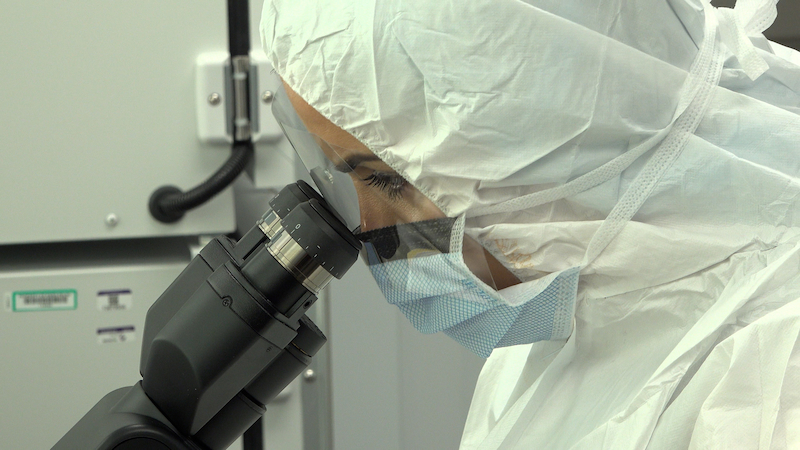
After a $7 million renovation, the Rush Cell Therapy Lab, a major part of the center, will allow Rush to offer more innovative therapies for a range of diseases. Once fully operational, the lab will reduce the cost of immunotherapies and cut the time to treatment in half. This is an important consideration when time is of the essence for patients with serious and advanced diseases.
“With this upgraded lab, we can now handle patient samples, create cell therapies and deliver them to people with blood cancers,” said Mahzad Akbarpour, PhD, director of the Bone Marrow and Stem Cell Processing Lab. “It really sets us apart. Not every academic medical center can do this. We’ll be able to offer more advanced therapies to more patients and participate in early-phase clinical trials.”
All philanthropic gifts benefit initiatives of RUSH MD Anderson Cancer Center in the greater Chicago area and Northwest Indiana and do not fund research or programs at The University of Texas MD Anderson Cancer Center in Houston.


