
The Rush Approach to Menopause Care
Just as every woman experiences menopause differently, every woman deserves personalized menopause care. That’s exactly what you’ll find at Rush.
At Rush, menopause care starts with listening — understanding your symptoms and lifestyle so we can recommend treatment that is right for you. Many of our providers are Menopause Society Certified Menopause Practitioners, meaning they are specially trained to manage menopause symptoms.
We also complete a full health screening to see how other conditions may affect you during menopause. Our expert specialists will work together to treat every aspect of your health – including your mental health.
Our menopause experts offer a full range of menopause treatments in the Chicago area, including hormone therapy and nonhormonal options.
Signs of Menopause and Perimenopause
- Breast tenderness
- Decreased libido
- Depression
- Anxiety
- Disrupted sleep
- Hair loss
- Hot flashes
- Irregular periods
- Irritability and mood swings
- Memory concerns or difficulty concentrating
- Migraines
- Night sweats
- Osteopenia or osteoporosis
- Painful intercourse
- Urinary incontinence
- Vaginal dryness
 Meet our menopause care providers
Menopause Treatments at Rush
Menopause and perimenopause, the years before your last menstrual period, affect each woman differently. You may experience symptoms, including hot flashes, night sweats, vaginal dryness, lower libido, urinary urgency and trouble sleeping. For some women, these symptoms may be mild. For others, they can be severe.
If menopause symptoms are disrupting your daily life, a menopause specialist can help. At Rush, you'll find menopause doctors, including OB-GYNs, endocrinologists, primary care providers and other experts. We offer a wide range of treatments to address many symptoms of menopause and perimenopause, including hormone therapy for menopause and many nonhormonal treatments. Your team will create a personalized care plan to meet your goals.
- Hormone therapy: Hormone therapy is the most effective treatment for vasomotor symptoms, or hot flashes. This treatment is generally most effective when started before age 60, or within 10 years of your last period. Our expert providers will create a personalized treatment plan for you, helping manage your risks and goals. Hormone therapy options include pills, skin patches, gels and vaginal rings.
- Medications: Some nonhormonal medications can treat menopause symptoms, including hot flashes and vaginal dryness.
- Mental health: Hormonal changes during menopause can affect your mood and increase your risk for depression and anxiety. At Rush, mental health providers work alongside other specialists to care for your whole health.
- Preventive care: During menopause, your risk for cardiovascular problems, including heart attack and stroke, and osteoporosis increases. Your Rush providers will make sure you receive the right screenings to stay healthy through perimenopause and menopause.
- Sexual health: Several treatments can improve sexual function during perimenopause and menopause, including psychotherapy, physical therapy and medications (such as testosterone therapy). Rush also offers vaginal laser therapy, a noninvasive, nonhormonal treatment than can improve vaginal dryness and reduce pain during sex.
Choosing Rush for Menopause and Perimenopause Care
- Specialized menopause providers: At Rush University Medical Center, our menopause care providers are Menopause Society Certified Menopause Practitioners, meaning they completed additional training to administer midlife care. Our providers use a holistic approach – treating you as a complete person, not a series of symptoms. Our care starts with a full health screening to see how other conditions may affect you during menopause.
- Expert hormone therapy: For many patients, hormone therapy is a safe and effective treatment for menopause symptoms. Our experienced menopause specialists receive continuing education on midlife hormone care. You can feel confident that any hormone therapy we recommend is evidence-based medicine.
- Nationally ranked for gynecologic care: U.S. News & World Report ranks Rush University Medical Center's gynecology program among the best in the nation.
- Care for your mind and body: As your estrogen declines, you may experience mood changes or have trouble managing your emotions. Rush University Medical Center's Center for Women’s Behavioral and Mental Health specializes in treating the mental health of women during their midlife years. In partnership with your provider, we’ll create a treatment plan specific to your menopause symptoms and to improve your mental health.
- Personalized treatment plans: At Rush, your provider will help you understand what to expect during menopause. During your appointments, they will educate and engage you on how menopause affects your body, and work with you to find the right treatments for you.
- Proactive heart health: The Rush Heart Center for Women — the first heart program in Chicago devoted exclusively to women — understands how menopause can affect heart health, particularly for women who have family histories of heart problems or women who have had heart attacks. Our menopause specialists collaborate with cardiologists in this program to help protect your health throughout menopause.
- Improving intimacy: We know that menopause symptoms can affect many aspects of your life — including your sex life. That’s why Rush offers many treatment options for vaginal dryness and pain during sex, including a vaginal laser treatment that is nonhormonal and noninvasive.
Frequently Asked Questions
periods. Doctors diagnose menopause after you have gone 12 months without a period. In the U.S., the average age of menopause is 52.
Menopause is caused by declining levels of estrogen and progesterone. These declining hormone levels can cause many symptoms, including hot flashes, night sweats, vaginal dryness, lower libido, urinary urgency and trouble sleeping. For some women, these symptoms may be mild. For others, they can be severe and disrupt your day-to-day life.
If hot flashes and other symptoms are interfering with your quality of life, expert menopause specialists can help.
Perimenopause refers to the years leading up to menopause. Many of the symptoms of menopause occur during this transition period. On average, perimenopause lasts around four years, but for some women, this time can be longer or shorter. During this time, your estrogen and progesterone levels fluctuate.
Perimenopause often begins in your 40s, though some women notice symptoms earlier or later. You may have irregular periods, and periods that are heavier or lighter than usual. Perimenopause symptoms include hot flashes, night sweats, vaginal dryness, irritability or mood swings, trouble sleeping and other conditions.
If you’re experiencing signs of perimenopause, even if you are still having periods, a certified perimenopause specialist can treat your symptoms.
Menopause occurs when you have gone 12 months without a menstrual period. For most women, this occurs in your early 50s. Symptoms caused by hormonal fluctuations, including irregular periods, hot flashes, vaginal dryness and mood changes can begin in your 40s.
The first sign of menopause is often a change in your periods. Your periods may be heavier or lighter than usual, and they may be further apart or closer together.
A menopause expert can help you during any stage of menopause. If you are beginning perimenopause, they can help manage vasomotor and other symptoms and let you know what to expect in the coming years. If you have already begun menopause, a specialist can treat symptoms and help prevent heart disease, osteoporosis and other conditions.
Perimenopause refers to the time before your periods stop. As your hormones fluctuate, you may experience many symptoms. On average, perimenopause lasts around four years, but for some women, this time can be longer or shorter. Menopause happens when you stop having a menstrual period. Menopause is diagnosed when you have gone 12 months consecutively without a period.
Your primary care provider and OB-GYN can help you manage many symptoms of menopause. Depending on your symptoms, you may also receive care from mental health providers, endocrinologists and other specialists.
Yes, insurance covers many forms of menopause treatment. Coverage will vary by plan, so check with your insurance provider.
Insurance does not generally cover vaginal laser treatment.
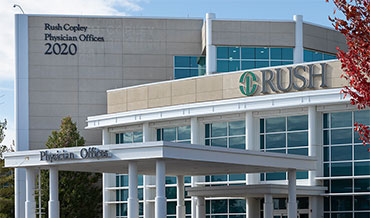
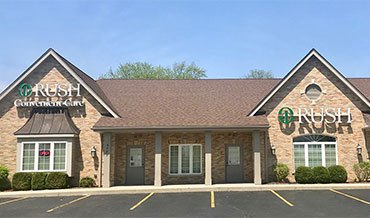
Our menopause specialists practice at many locations in Chicago and the surrounding area, including in the South Loop, River North, West Loop, Oak Brook, Aurora and Oak Park.

U.S. News & World Report ranked Rush University Medical Center among the best in the nation for obstetrics and gynecology care.