

At Rush, surgeons use advanced robotic technology to remove tumors, repair spine conditions and more. Robotic-assisted surgery provides benefits over traditional surgery, including smaller incisions, shorter hospital stays and a faster recovery.
Robotic surgery is a minimally invasive technique, meaning you won’t have large incisions. Using robotic-assisted technology, such as the da Vinci Surgical System, Rush surgeons make small incisions and then guide the robot's four arms and small instruments to perform complex surgical procedures. At Rush, you’ll have access to both the latest robotic technology and highly experienced surgeons.
How Rush Uses Robotics During Surgery
Robotic surgery does not mean the robot is actually performing your surgery. Instead, the system allows your surgeon to:
- Maneuver with full control. We have full control over the procedure and use of the robot's computerized interface. This provides us with enhanced maneuvering of the surgical tools through small incisions.
- Reach difficult-to-see area. We have the ability to work within areas that are difficult to see with the naked eye. For instance, with some head and neck tumors, surgeons can use transoral robotic surgery (TORS) to find and remove cancers that previously could not be found.
- Spare healthy tissue. Robotic surgery allows us to leave tissues not affected by cancer untouched. This ability typically allows for a quicker return to normal functioning.
- Repair tiny structures. New robotic technology allows surgeons to operate on nerves, blood vessels and lymph nodes less than a millimeter wide.
Meet the Da Vinci 5 Robot
Advanced Robotic and Microsurgery Capabilities
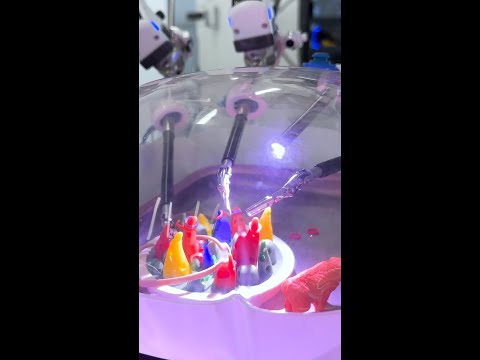
Rush University Medical Center is the first hospital in Chicago to use new robotic technology for advanced microsurgery.
This new technology helps surgeons provide complex surgical care, operating on nerves, arteries, veins and lymphatic vessels, sometimes less than a millimeter wide. This system can be used to treat lymphedema, reconstruct breasts after mastectomy, remove complex tumors and provide functional restoration after surgery or injury.
Benefits of Robotic Surgery
Compared to traditional open surgery, robotic-assisted surgery offers you the following benefits:
- Decreased pain
- Lower likelihood of needing a blood transfusion
- Shorter hospital stay
- Smaller incisions and less scarring
- Quicker return to normal activity
Depending on your condition and overall health, robotic-assisted surgery is not the only — or sometimes even the best — minimally invasive option. We will discuss all your options with you.
 Meet our robotic surgery providers
Conditions Treated With Robotic Surgery
Depending on your specific condition and overall health, robotic-assisted surgery is often an option for treating the following conditions:
- Bladder cancer
- Breast cancer
- Colon and rectal cancers
- Diverticular diseases
- Endometriosis
- Fibroids
- Gynecologic cancers
- Lymphedema
- Oral cancer, throat cancer and other head and neck tumors
- Prostate cancer
- Spine conditions, including degenerative disc disease, herniated discs, scoliosis and more
Robotic Surgery Procedures Performed at Rush
- Hysterectomy
- Ovarian cystectomy
- Salpingo-oophorectomy
- Tubal re-anastomosis
- Excision/treatment of endometriosis
- Myomectomy
- Pelvic floor dysfunction (sacral-colpopexy, uterine ligament suspension)
- Cancer staging (lymph node dissections, omentectomy)
Multiport robotic procedures:
- Cystectomy
Multiport and single port robotic procedures:
- Lymph node dissection
- Nephrectomy
- Partial Nephrectomy
- Pelvic floor dysfunction (sacral-colpopexy, uterine ligament suspension)
- Prostatectomy
- Pyeloplasty
- Uteroplasty
- Ureteral reimplantation
- Hernia repairs
- Ventral/incisional
- Inguinal
- Separation of components
- Umbilical
- Bariatric
- Sleeve gastrectomy
- Duodenal switch
- Gastric bypass
- Diaphragmatic hernia
- Heller myotomy
- Appendectomy
- Cholecystectomy
- Distal pancreatectomy and splenectomy
- Liver Resection
- Lymph node dissection
- Left colectomy/sigmoidectomy
- Right colectomy/right hemicolectomy/ileocectomy
- Total colectomy
- Proctocolectomy
- Low anterior resection
- Abdominal perineal resection
- Rectopexy
- Colostomy reversal
- Ileostomy reversal
- Single port robotic transanal minimally invasive surgery (TAMIS)
- Wedge resection of lung
- Lymph node dissection
- Lobectomy
- Bilobectomy
- Segmentectomy
- Mediastinal mass resection
- First rib resection for thoracic outlet syndrome
- Sympathectomy
- Diaphragmatic plication
- Hiatal hernia repair
- Heller myotomy
- Diverticulectomy
- Nissen fundoplication
- Esophagectomy
- Decortication
- Pleurectomy and decortication
- Transoral Robotic Surgery:
- Treatment of tonsil cancer
- Base of tongue cancer
- Treatment for sleep apnea
- DIEP flap breast reconstruction
- DIEP flap harvest
- Lymphovenous bypass
- Single port gender affirmation surgery
- Vascularized lymph node transfer
- Cholecystectomy
- Hernia repair
- Liver resection, bile duct and gallbladder procedures
- Cholecystectomy
- Living donor nephrectomy
Choosing Rush for Robotic Surgery
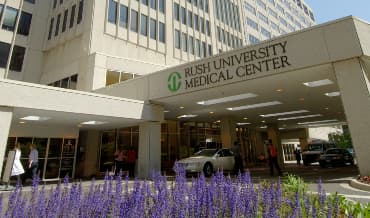
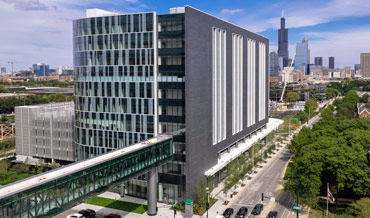
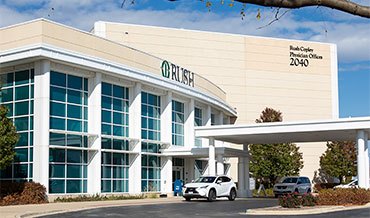
- First in the Midwest to upgrade to the newest da Vinci platforms: Rush is the first health system in the Midwest to upgrade its fleet of da Vinci surgical systems to the latest da Vinci 5 (DV5) and da Vinci Single Port (SP) platforms, expanding access to advanced robotic capabilities at Rush Copley Medical Center, Rush Oak Park Hospital and Rush University Medical Center.
- Pioneers in robotic surgery: Rush University Medical Center was the first hospital in Chicago to install a high-definition version of the da Vinci Surgical System. This system integrates 3D HD laparoscopy with robotic technology to digitally extend the surgeons' eyes and hands during surgery.
- Less invasive procedures, easier recovery: For head and neck cancers, ENT surgeons have expertise in transoral robotic surgery (TORS), which allows for significantly less scarring than open procedures. Typically, open surgeries require the splitting of bones and other structures in the mouth and throat. In contrast, with a TORS procedure, patients typically have a scar of several millimeters and no splitting of the bones.
- Cutting-edge microsurgery: Rush University Medical Center is the first hospital in Chicago to use a new robotic system for microsurgery. This advanced technology helps surgeons treat lymphedema and operate on tiny nerves, veins and other structures with greater precision. At Rush, this technology is used to reconstruct breast and abdominal walls.
- Innovative spine surgery: Rush University Medical Center was the first hospital in Chicago to use a new robotic technology that increases the safety and precision of spinal fusion surgeries while reducing the time needed for your procedure.
- Leaders in bladder cancer surgery: Rush is one of a few health systems whose urologists who perform robotic cystectomy and intracorporeal urinary diversion for patients with advanced bladder cancer.
FAQs About Robotic Surgery
Robotic-assisted surgery is a technique in which surgeons control robotic instruments to perform surgery. The robot does not operate on its own: It is always controlled by a human surgeon.
Robotic-assisted surgery can help surgeons operate more precisely with smaller incisions.
Robotic surgery uses a few small incisions, rather than large incisions used during open surgery. This means you may have less pain, a shorter hospital stay and recovery time with less scarring than with typical open surgery.
Yes, in many cases robotic surgery is minimally invasive. Because robotic instruments can operate in very small areas, these surgeries are often minimally invasive. Your Rush surgeon will let you know what to expect during your recovery.
Robotic surgery can be used to treat many conditions. It is commonly used to treat cancers, hernias, gallbladder disease, prostate conditions, gynecologic conditions, digestive disorders and some heart and lung conditions.
Your surgeon will help you understand your options based on your condition and choose the best treatment for you.
Yes. Rush University Medical Center is one of the first hospitals in the U.S. to use advanced robotic technology for reconstruction procedures involving nerves, veins and other delicate structures.
Recovery for robotic surgery is often faster than open surgery. You’ll often have a shorter hospital stay and less pain, and you’ll be able to return to work and your daily activities faster than after open surgery. Your recovery timeline will depend on your condition and the type of surgery you have. Your Rush surgeon will let you know what to expect.