



Cirrhosis is a serious condition where the liver is permanently and irreversibly damaged.
Damage to the liver is more common than you may think. More than 4 million adults have some form of liver disease, which can cause inflammation and low-level scarring (fibrosis). The liver is a self-healing organ, and if diagnosed and treated early, fibrosis can heal into healthy tissue.
However, long-term fibrosis (inflammation, scar tissue and stiffening of liver tissue) causes severe and permanent scarring. This disease is also called cirrhosis of the liver.
What causes cirrhosis?
Cirrhosis is caused by long-term, untreated liver disease. Common causes of liver disease include:
- Metabolic dysfunction-associated steatohepatitis (MASH). All livers have some fat, but people with MASH have enough fat in their liver to cause damage. One-third of all Americans are at risk of MASH.
- Alcohol-associated liver disease. Years of heavy drinking damages your liver. Heavy drinking is more than eight drinks per week for women and 15 drinks per week for men. But people who drink less than this may develop alcohol-associated liver disease.
- Autoimmune disorders. Sometimes, the body’s immune system begins attacking the liver. This causes scarring and damage over time.
- Viral infection. An infection (such as hepatitis A, hepatitis B or hepatitis C) can cause your liver to swell. Your cirrhosis treatment will depend on the root cause of your liver disease.
Your cirrhosis treatment will depend on the root cause of your liver disease.
What are the symptoms of cirrhosis?
Many people with cirrhosis have no symptoms until the problem is very advanced. Someone may feel nausea, upper abdominal pain or fatigue (tiredness). You may see yellowing of the skin and eyes.
Liver Disease Myths
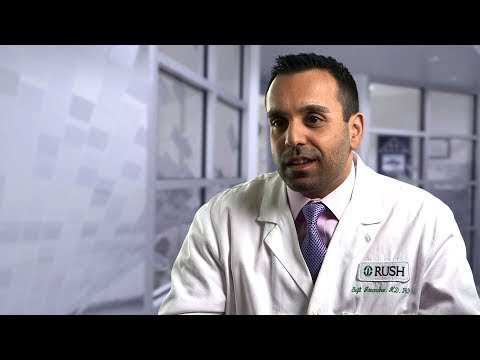
 Meet our cirrhosis providers
What are the complications of cirrhosis?
The liver performs many important functions for your body. As cirrhosis of the liver gets worse, you may have increasingly dangerous complications, including:
- Portal hypertension. This is when the scar tissue in the liver blocks the flow of blood into the liver.
- Ascites. This looks like a swollen belly, and it’s caused by fluid buildup in the abdomen. Ascites can turn into an infection in the space around the liver.
- Varices. Varices are enlarged veins, usually in the esophagus, stomach or intestines. These can burst and cause internal bleeding.
- Confusion and difficulty thinking. This is caused by toxins building in the brain because the liver cannot filter blood effectively.
- Liver cancer. Cirrhosis increases your risk of liver cancer, and most people who have liver cancer already have cirrhosis.
- Liver failure. With enough scar tissue, your liver may stop working entirely. This is fatal without a liver transplant.
What are the four stages of liver cirrhosis?
- Stage 1: There is some scarring of the liver, but you don’t have any symptoms or complications.
- Stage 2: Scarring increases enough to cause portal hypertensions and the development of varices.
- Stage 3: Liver scarring is advanced, leading to all of the above as well as ascites. You are at risk of liver failure at this stage.
- Stage 4: Also called end-stage liver disease, this is life-threatening without a liver transplant.
Stage 1 is also called compensated cirrhosis — meaning your body can compensate (make up for) the scarring in your liver, so you have no side effects. Stages 3 and 4 are decompensated cirrhosis, where your body cannot cope with the scarring in the liver and has difficulty functioning normally.
Rush Excellence in Cirrhosis Care
- Quick access to answers so you can start treatment sooner: We understand that you don't want to wait weeks to see a liver specialist. Our doctors can often see you within a week of your request. You can meet with us in person for cirrhosis care at locations across Chicago and the suburbs and virtually through telemedicine.
- Minimally invasive options to diagnose and treat cirrhosis: If your doctor suspects cirrhosis, we offer several tests that can assess your liver without the need for a biopsy. They include transient elastography — such as FibroScan and acoustic radiation force impulse (ARFI) imaging — as well as magnetic resonance elastography. If you need a biopsy, you may benefit from an endoscopic ultrasound (EUS) from our interventional endoscopy program. With an EUS, an interventional endoscopist takes a biopsy (tissue sample) from your liver without surgery, so you have less pain and downtime.
- Liver transplantation outcomes: If you have severe cirrhosis, our liver specialists will help you understand your options, which may include a liver transplant. That's an area of excellence at Rush University Medical Center. Our liver transplant program has some of the best survival rates of any hospital in Chicago and in Illinois. Our one-year patient survival rate for liver transplants is 94%, according to the January 2020 report from the Scientific Registry of Transplant Recipients.
- Your resource for a second opinion: Our liver specialists can make sure you understand all possible treatment options for your cirrhosis so you can make the most informed decisions about your care — and get started on the right treatment plan as soon as possible.
Cirrhosis Care FAQs
Cirrhosis is permanent and irreversible. Earlier stages of liver disease, such as fibrosis, can heal on their own when you treat the root cause of the issue.
However, many people with cirrhosis preserve their remaining liver function for years and may never need a transplant.
Many people respond well to treating the root cause of their liver disease and can preserve their remaining liver function for years. Life expectancy after a diagnosis of cirrhosis depends on how severe the problem is, the root cause of the disease and how well you respond to treatment.
If you do not respond well to treatment, you may ultimately need a liver transplant. Our transplant team will work closely with you throughout the entire process.
Managing cirrhosis means working closely with your hepatology team at Rush. We want you to live a long, healthy life and will do everything we can to help you live as normal a life as possible.
This depends on the root cause of your disease and how well you respond to treatment. Our team treats many patients with cirrhosis and can provide a personalized outlook for you based on your disease.
When you don’t respond well to treatment, your liver cirrhosis may get worse. For example, people with alcohol-associated liver disease who aren’t able to stop drinking may see their scarring get more advanced and their liver function decline.
End-stage liver disease is a life-threatening problem and requires a liver transplant, usually within two years of diagnosis.
Treating the complications of cirrhosis can extend your life, and a liver transplant can offer you an entirely new lease on life. Our team works closely with patients with end-stage liver disease to understand their prognosis and give themselves the best chance for survival.
Unlike fibrosis, cirrhosis is permanent and cannot be reversed. The best way to treat cirrhosis is to prevent it. Our liver specialists work with patients to prevent long-term liver damage.
If you’re diagnosed with cirrhosis, we work with you to preserve your existing liver function. Your exact treatment plan depends on the cause of your liver disease. For example, if you have MASH, you may work with a dietitian and our team to reduce your weight. Or if you have hepatitis C or hepatitis B, you may take antiviral medication.
If you have alcohol-related liver disease, it’s very important to stop drinking. We work closely with patients to achieve this vital treatment goal.
We also work closely with you to treat any complications of cirrhosis. This may include:
- Sealing bleeding veins or blood transfusions after a vein rupture
- Dialysis
- Oxygen therapy
- Antibiotics to treat infections
- Removing fluid from the abdomen
- Radiation and chemotherapy for liver cancer
- Shunt to improve blood flow to the liver
Not everyone with cirrhosis will need a transplant. But if you develop decompensated cirrhosis, a liver transplant may be your best option for treatment.
Rush has an excellent liver transplant program with a one-year survival rate that’s higher than the national average. If you do need a liver transplant, we can provide follow-up care when and where you need it, with locations throughout Chicago and the surrounding suburbs.


