
The Approach to Cancer Genetic Services at RUSH MD Anderson
At RUSH MD Anderson Cancer Center, our genetic counselors and physicians work with you to understand your personal and family risk for hereditary cancers, including breast cancer, ovarian cancer, colon cancer, leukemia, thyroid cancer and many others.
Together, we review your history and help you decide whether genetic testing is right for you and which test fits your needs.
We’ll also guide you through the genetic testing process, explain the benefits, risks and limits of testing and review results with you.
Genetic Screening for Cancer Risk

What Is Genetic Testing?
Genetic testing for hereditary cancer looks at your genes to see if you were born with a mutation that raises your risk for certain cancers. These gene changes are often passed down in families, though sometimes they can occur for the first time in one person.
The test checks many genes at the same time, so it can look at your risk for several types of cancer. Your results can help you and your providers decide if you need any changes to your cancer screening or care plan.
Who Should Consider Genetic Testing?
Our team will work with you to determine if you should get tested — and which tests are right for you. You may want to consider cancer genetic testing if:
- You or your family members were diagnosed with cancer at a very young age
- You have certain cancers that are more likely to run in families, such as ovarian, pancreatic or metastatic prostate cancer
- Several people in your family have had the same type of cancer, or there are multiple cancers in your family
- You have symptoms, such as colon polyps, that are linked to inherited cancers
Genetic testing can also be helpful if you don’t know much about your family health history — including if you were adopted.
If you still have questions about genetic testing, our specialists can review your history and help you decide if testing makes sense for you.
 Meet our cancer genetic services counselors and physicians
Types of Cancers Genetic Testing Can Test For
Most genetic tests use a panel that looks at many genes at once. This means that even if you’re concerned about one type of cancer, the test can provide information about several others. A genetic specialist will help guide which genes to focus on, making sure your testing is relevant to your personal and family history.
Some of the common types of hereditary cancer genes tested include:
- Breast cancer
- Colon cancer
- Ovarian cancer
- Prostate cancer
- Pancreatic cancer
- Thyroid cancer
Types of Genetic Testing for Cancer
We can check for hereditary cancers that run in families, but your doctors may provide other tests to learn more about your genes and your cancer, if you’ve been diagnosed.
The types of genetic cancer testing we offer include:
- Hereditary cancer genetic testing. This test looks for gene changes you may have inherited from your parents that increase your risk for certain cancers. It can help you and your care team understand your personal risk and guide screening or prevention options.
- Galleri cancer test. This test uses a simple blood sample to help detect certain cancer signals early. It may be a good option for you if you have a genetic mutation or a strong family history of cancer. See if you’re eligible.
- Genomic testing. This test looks at the genetics of your cancer itself. It can help your doctors understand your prognosis and identify treatments that may work best for you. Unlike hereditary testing, this is about your personal diagnosis, not inherited risk for family members. This testing is usually ordered by an oncologist.
How to Prepare for Genetic Testing
Here are a few tips to prepare for your genetic testing appointment:
- Gather your family health history. Try to find out which relatives had cancer, what type and how old they were when diagnosed.
- Complete the pre-appointment questionnaire. You will receive a form from our team that asks about your personal health and your family’s history of cancer.
- Bring family test results, if available. If a relative has already had genetic testing, bringing a copy of their report can be helpful, but it’s not required.
It’s also important to note that you do not need to fast before your blood draw.
What to Expect During and After Genetic Testing
Genetic testing usually starts with genetic counseling session. During this visit, we’ll review your personal and family health history and explain how hereditary cancer testing works. You’ll learn what gene changes could mean for your cancer risk and have a chance to ask questions before deciding if testing is right for you.
If you choose to proceed, the test is usually done with a blood or saliva sample, often right after your counseling session. In rare cases, a skin biopsy may be needed. Our team will call you and explain your results within two to three weeks.
Most people do not have a gene mutation — only about 5% to 10% of patients test positive. If your results do show a mutation, we’ll schedule a follow-up appointment.
During your follow-up visit, we’ll talk about the specific gene, the cancers it may increase your risk for and your options for screening or prevention. This might include earlier or more frequent screening, or in some cases, preventive surgery. We’ll help you understand your choices and connect you with the right specialists, if needed.
Choosing RUSH MD Anderson for Cancer Genetic Testing and Screening Services
- Experts in genetic counseling: Our highly trained genetic counselors are experts in medical genetics and genetic testing. They help you understand whether you may have an inherited risk for certain cancers. You will meet with them before and after testing, so you fully understand the implications of testing, what the findings mean for you and your family, and what screening and management options you may want to consider.
- Advanced testing capabilities: RUSH MD Anderson’s genetic experts keep pace with the fast-moving advances of genetic testing to bring you some of the most useful and current information possible. We give you the knowledge you need to help you make informed decisions about treatment and prevention.
- Next-generation DNA sequencing: We use next-generation DNA sequencing for most genetic tests. If tumor DNA testing shows a possible genetic change, we offer counseling and additional testing to confirm the results.
- Emotional and psychosocial support: Genetic testing can be stressful and emotional. Our specially trained counselors are dedicated to supporting and guiding you through this process with compassion, patience and understanding. They can also help direct you to resources for emotional well-being through our Supportive Oncology services or support groups for people who have a hereditary predisposition to cancer.
- Access to innovative treatments: Our team works closely with medical oncologists, surgeons, radiation oncologists and researchers to bring you some of the latest advances in early detection, immunotherapy and surgery. Our cancer clinical trials offer opportunities to access novel treatments before they are widely available.
FAQs for Cancer Genetic Testing, Screening and Counseling
You can get cancer genetic testing either through a referral from your doctor — including your primary care provider, gynecologist or oncologist — or by scheduling a self-referral appointment online.
Genetic testing is available with cancer genetic counselors and physicians at RUSH MD Anderson locations in Chicago, Oak Park, Lisle and the Aurora/Fox Valley area.
Genetic testing begins with a counseling session, usually scheduled for about an hour. During this visit, we review your personal and family health history, explain how hereditary cancer testing works and answer any questions so you can decide if testing is right for you.
If you choose to proceed, the test is usually done with a blood or saliva sample right after your counseling session. Results typically take two to three weeks, and we’ll call you to explain what they mean.
Genetic testing is simple and not invasive. It’s usually done with a quick blood draw or a saliva sample, and in rare cases, a skin biopsy may be needed. You don’t need to fast or do anything special before the test.
Genetic testing is very accurate for the cancer genes it checks. This includes common cancers like breast, ovarian, colon, pancreatic, prostate, thyroid cancers. For example, if a BRCA gene mutation is present, the test will almost always detect it.
It’s important to note that the test does have limitations as it only covers the genes tested. Other genes or factors could still affect your risk for cancer.
No, it does not tell you if you have cancer. Rather, it shows whether your risk is higher. Genetic testing looks for gene changes you were born with and will carry for life.
Genetic testing looks for gene changes you were born with and will carry for life, so it’s usually a one-time test. It does not tell you if you have cancer. Rather, it shows whether your risk is higher.
Annual screenings, like mammograms or colonoscopies, are repeated over time and look for cancer that may be present at that moment.
Finding a genetic mutation is relatively uncommon. Only about 5% to 10% of people tested have a mutation. If your results do show a mutation, we’ll schedule a follow-up appointment — in person, by phone or by video — to review what it means and discuss your options.
In many cases, insurance will cover genetic testing if you meet certain medical guidelines. Our team can review your history and help determine if you qualify.
If testing is not covered, affordable self-pay options may be available. We’ll review any potential costs with you during your appointment, so you know what to expect.
Yes, it’s possible. Some gene mutations can happen for the first time in one person that were not passed down from a parent, though this is uncommon.
Having a gene mutation does not guarantee you will develop cancer, but it does increase your risk. In some families, a mutation may appear to skip generations because a parent carried the gene change but never developed cancer. That’s why genetic testing can still be helpful, even if there hasn’t been a lot of cancer in your family.

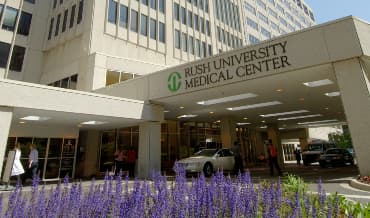
U.S. News & World Report ranked Rush University Medical Center among the best in the nation for cancer care.