


Spotlight
Nationally Recognized for Excellence in Pancreatic Cancer Care
The National Pancreas Foundation has designated Rush University Medical Center as a National Center of Excellence for Pancreatic Cancer.

Our experienced team is here to help and provide compassionate care after your diagnosis.
The National Pancreas Foundation has designated Rush University Medical Center as a National Center of Excellence for Pancreatic Cancer.
Pancreatic cancer starts in the pancreas, a large organ that plays an important role in turning food into energy. The pancreas makes insulin (a hormone that controls blood sugar) and enzymes (chemicals that break down food).
Many people with pancreatic cancer don’t have any symptoms before their diagnosis. If you do have symptoms, they may include:
Pancreatic cancer is often suspected when blood tests point to something wrong with the pancreas. From there, imaging tests are used to look inside the body without making any cuts. This may include an ultrasound, CT scan or MRI. CT scans and MRIs help doctors figure out how big the tumor is and where it may have spread.
Endoscopic ultrasound is an important tool for diagnosing pancreatic cancer. This imaging tool uses a long tube (scope). The scope is used inside the digestive tract where it can take ultrasound photos as well as take a sample of tissue. This procedure is called a biopsy. This tissue sample is sent for testing to see if it’s cancer.
 Meet our pancreatic cancer care doctors and specialists
An important part of treating pancreatic cancer is chemotherapy. Pancreatic cancer can grow and spread quickly, but chemotherapy goes throughout the body to remove any cancer cells that have escaped the primary tumor location.
We offer chemo at RUSH MD Anderson Cancer Center at Rush University Medical Center and several other locations in the Chicago area. We’ll work with you to find the most convenient location for you to get the care you need.
Many people with pancreatic cancer need surgery. Depending on how big the tumor is and if it has spread, surgeons may be able to remove all or part of the tumor. There are two common surgeries for pancreatic cancer:
Rarely, your entire pancreas may need to be removed.
Our surgeons are experts in pancreatic cancer surgery. After the procedure, imaging tests and biopsies check for microscopic signs of cancer that may have been left behind. Our goal is always to completely remove all cancer cells.
After chemotherapy and surgery, doctors keep a close eye on patients to make sure we quickly catch any cancer that comes back. Regular scans (either at RUSH MD Anderson or your local oncologist) are an important part of recovery from pancreatic cancer.
Everyone with pancreatic cancer wants the best possible chance at recovery — and that starts with a personalized treatment plan. We will see you quickly, because we know that time to treatment matters. We will take a close look at your tumor, its location and size, as well as your bloodwork, and make a treatment plan that fits your needs.
Have you been diagnosed with cancer? Consider a second opinion from RUSH MD Anderson. A second opinion can help you explore all your options and begin treatment with confidence and clarity.
RUSH MD Anderson offers easy access to second opinions, including free virtual intake visits with our knowledgeable nurse navigators for anyone in Illinois.
For the Whipple procedure, you will probably be in the hospital for five to 10 days. For a distal pancreatectomy, you will be in the hospital for up to seven days. For both procedures, we want to build strength and get you moving quickly after surgery. We work with physical and occupational therapy to make sure you have a strong start to recovery.
Full recovery from pancreatic cancer surgery can take up to eight weeks.
Yes. Our partnership with MD Anderson Cancer Center in Houston allows us to offer enrollment in select clinical trials for eligible patients with pancreatic cancer. Your care team will help determine whether a clinical trial is right for you.
Survival rates for pancreatic cancer depend on how much the cancer has spread, tumor markers and other factors. Cancer that has stayed in and around the pancreas has a higher survival rate than cancer that has spread to surrounding blood vessels or organs.
The most common type of pancreatic cancer is pancreatic ductal adenocarcinoma. This cancer grows in the cells of the tubes that carry digestive enzymes out of the pancreas.
A much less common form of cancer is endocrine pancreatic cancer. This type grows in the cells that make hormones.
All cancers are divided into stages based on how much the cancer has spread. The American Cancer Society outlines the complex staging system used to detail how far pancreatic cancer has spread.
When treating pancreatic cancer, there are three main groupings of pancreatic cancer you should know:

U.S. News & World Report ranked Rush University Medical Center among the best in the nation for cancer care.

Patients have multiple treatment options, including chemotherapy, radiation, the combination of those two things, or surgery. We find the best approach for each individual patient.

1520 W Harrison St
Joan and Paul Rubschlager Building
Chicago, IL 60607
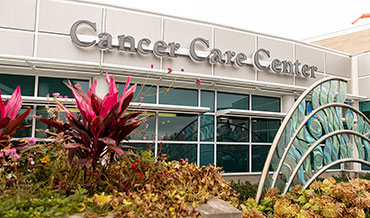
2000 Ogden Ave
Suite A1100
Aurora, IL 60504

610 S Maple Ave
Rush Medical Office Building - Suites 5400, 2100
Oak Park, IL 60304
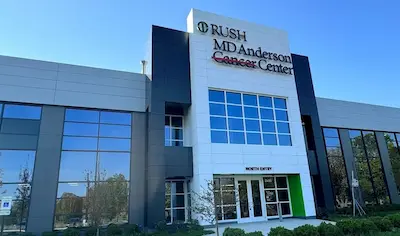
2455 Corporate W Dr
Lisle, IL 60532

1100 W Veterans Pkwy
Suite 300
Yorkville, IL 60560


Your gift fuels the discoveries that lead to better treatments and faster breakthroughs — giving hope to more people facing pancreatic cancer. Together, we can ensure that every patient receives high-quality care close to home at every stage of their cancer journey.
Donate Today