

The Rush Approach to Stroke Care
A stroke happens when blood flow to the brain suddenly stops, cutting off oxygen to the brain cells. This can be due to a clot or a blood vessel bursting, sometimes referred to as a bleed.
Like a heart attack, a stroke is a “brain attack,” and it’s a medical emergency.
You may have heard the phrase “time is brain” when it comes to strokes. That’s because time lost during an attack equals brain cells lost. This is why it’s important to get treatment for a stroke as quickly as possible.
At Rush, every patient we treat for an emergency stroke or follow-up care after a stroke or TIA benefits from our experience in treating the thousands of patients we've seen before. That's because we analyze patient cases as a team to discover how we can continually improve stroke care.
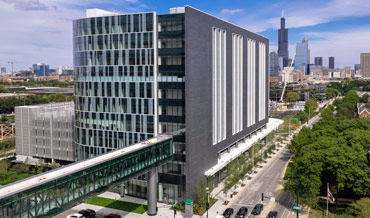
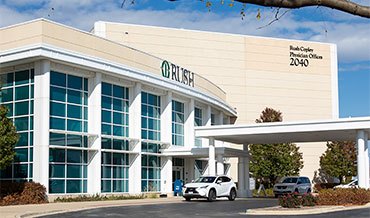
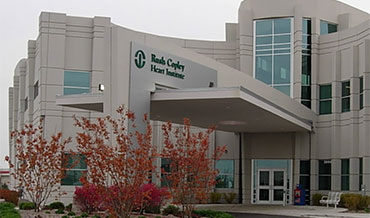
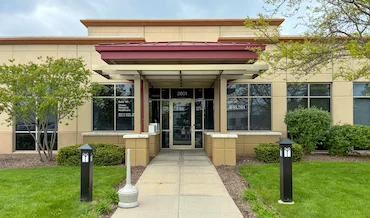
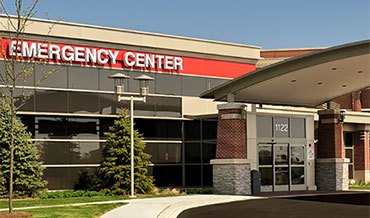
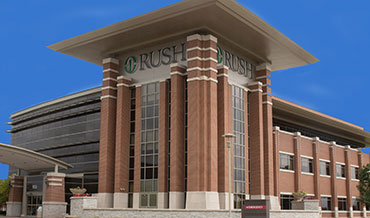
In downtown Chicago, Rush is certified as a Comprehensive Stroke Center by the Joint Commission. And Rush has two certified Primary Stroke Centers in Oak Park and Aurora/Fox Valley. That means you and your loved ones receive the highest level of stroke care when you visit our hospitals.
We also offer clinical trials that seek to expand current treatments and improve technology used to treat stroke. For example, we currently have a trial for Vivistim. It’s an implant device that may boost the effects of physical and occupational therapy for patients with chronic upper extremity hemiparesis caused by ischemic stroke. This new therapy may improve neuroplasticity in the arms and hands for patients who qualify.
Our goals for your care are the following:
- Treat emergency strokes as quickly and effectively as possible to minimize damage to your body.
- Prevent another, future stroke by educating you and your family about health and lifestyle changes you can make to decrease your stroke risk.
- Provide you with the rehabilitation and other medical and support services you need to recover as fully as possible from your stroke or TIA.
Symptoms and Signs of a Stroke
If you suspect you or someone else is having sudden onset of stroke symptoms, the American Heart Association advises you to remember "BE-FAST,” which stands for the following:
- B: Balance. Is the person unable to sit upright? Do they struggle to walk in a straight line?
- E: Eyes. Does the person complain of blurry, double or loss of vision?
- F: Face drooping. Ask the person to smile. Is one side of the smile drooping?
- A: Arm weakness or numbness, particularly on one side of the body. Ask the person to lift both arms. Does one arm drift downward?
- S: Speech that is slurred or difficult to understand. Ask the person to repeat a simple sentence. Do they have trouble saying the words clearly?
- T: Time to call 911. If the answer is yes to any of the questions above, call 911 immediately.
Because a stroke affects the brain, many of the symptoms are neurological. Learning the signs can help you know when to get treatment.
Some of the other common signs and symptoms of a stroke include the following:
- Confusion
- Dizziness
- Loss of coordination
- Trouble understanding speech
- Severe headache, especially if there is no known cause, like a history of migraines
If you have a high heart rate, or tachycardia, this is not a direct sign of a stroke. But it can be a sign of other issues, like atrial fibrillation, high blood pressure or high stress, that increase stroke risk.
 Meet our stroke care doctors and specialists
Types and Causes of Strokes
There are several kinds of strokes and conditions that can cause them.
They can also vary in severity. When a smaller blood vessel is blocked for a short time, it may result in a minor stroke. But if blood flow is blocked to a large portion of the brain for an extended time, it can result in a massive stroke that can lead to severe brain damage and impairment.
The types of strokes and their causes include the following:
- Ischemic stroke: This happens when a blood vessel becomes blocked or narrowed, reducing blood flow. This is usually caused by plaque or blood clots. When the blockage forms within the brain, it’s called thrombosis. When the blockage travels to the brain from another part of the body, it’s called an embolism. Common causes of this type of stroke include the following:
- Atherosclerosis
- Carotid artery disease
- Atrial fibrillation
- Sickle cell disease
- Heart defects
- Clotting disorders
- Inflammation
- Hemorrhagic stroke: This type of stroke happens when a blood vessel in the brain leaks or bursts. This can be caused by issues that include the following:
- Brain aneurysm
- Arteriovenous malformation (AVM) rupture
- High blood pressure
- Brain tumors
- Moyamoya disease
- Overexposure to blood thinners
- Head trauma
- Cerebral amyloid angiopathy
- Transient ischemic attack (TIA): Also known as a "mini stroke," this caused by a blood vessel blockage that lasts for a short time — less than 24 hours and usually only a few minutes to an hour. A TIA is a warning sign for a future, full-blown stroke.
There are also a few risks that may increase your chances of having a stroke, even though they don't always directly cause a stroke on their own. These stroke risks include the following:
- Family history of stroke
- Age over 55
- Having a previous stroke or TIA
- High cholesterol
- Heart and vascular disease
- Diabetes
- High red blood cell count
- Race — African Americans are at higher risk than Caucasians
- Obesity
- Smoking
- Sedentary lifestyle
- Poor diet
- Alcohol or drug abuse
- Using oral birth control
- Pregnancy
- Exposure to extreme temperatures
Stroke Diagnosis at Rush
Many patients who come to Rush with acute stroke symptoms are brought here by ambulance or are transferred through our TeleStroke Network of partner hospitals.
Once you arrive at Rush, specialists will work to determine whether you’ve had a stroke and diagnose what type of stroke you’ve had. They may perform a physical exam and note your symptoms.
If your specialist suspects that you’ve had a stroke, they will order neuroimaging tests, or scans of your brain. These will usually be CAT scans or MRIs.
These scans are the primary tools for stroke diagnosis. But your specialist may order other tests, such as blood tests or further imaging tests, to rule out other causes of your symptoms.
Stroke Treatment at Rush
A stroke is an emergency and needs to be treated quickly. Rush offers fast emergency care that can prevent serious health issues that strokes can cause — and even save lives.
Some of our emergency care options include the following:
- Rapid evaluation: After an ischemic stroke, there is a short window of opportunity for using clot-busting medicine that can reduce further damage. Rush has a system for rapid diagnosis and treatment of stroke patients admitted to any of its emergency departments. This system includes quick access to brain imaging and stroke neurologists to conduct patient evaluations.
- Transfer as needed: At any of our hospitals, our stroke services team evaluates whether the use of clot-busting medications is appropriate. The team also evaluates which procedures they can perform there in the hospital. If needed, the stroke team may transfer you to Rush University Medical Center in Chicago for more advanced procedures.
- Emergency surgery: If clot-busting medicine cannot be used, neurosurgeons at Rush University Medical Center can often surgically remove the blood clot. After you recover, you will go back to your local hospital if you live outside of the city for rehabilitation as needed.
Because a stroke is a major medical issue, patients will likely need continued care and evaluation. If you or your loved one needs follow-up rehabilitation services to address damage caused by a stroke or TIA, Rush offers a variety of options in Chicago, Oak Park and Aurora.
After you’re discharged, you may need continued rehab at one of our inpatient locations. If your care team recommends outpatient rehab, we offer services including physical, occupational and speech therapy.
To reduce your risk for another future stroke, we help you make medical and lifestyle changes and connect you to other Rush specialists as needed.
Stroke Prevention at Rush
Once you've had a stroke or TIA, you are at a greater risk for future strokes. That's why our clinicians work with you to reduce your risks in a variety of ways, including the following:
- Make lifestyle changes: You can reduce your chances of a second stroke by changing some unhealthy behaviors. Our clinicians help you make that happen through smoking cessation classes and education on a healthier diet.
- Connect you to other providers: Our stroke doctors at Rush connect you to other providers, such as cardiologists and primary care providers, to help you control other issues that increase stroke risks. The following conditions make stroke more likely:
- High cholesterol levels
- High blood pressure (hypertension)
- Atrial fibrillation
- Congestive heart failure
- Diabetes
- Prevent clots: Stroke doctors work with you to find the right medications to help prevent clots.
- Explore surgical options: To improve blood supply to your brain, you may need a procedure to remove plaque that is causing your carotid arteries — the arteries in your neck — to narrow.
- Group support: We host online support groups for survivors of stroke and their caregivers.
Choosing Rush for Stroke Care
- Immediate, emergency treatment: Every second matters during a stroke. That's why Rush has extensive processes in place to make sure that our clinicians start preparing for a patient's arrival as soon as we learn someone with a stroke is on their way to our emergency departments. Rush neurosurgeons also have training in cerebrovascular neurosurgery to treat all types of stroke emergencies. During emergency stroke treatment, they stop bleeding caused by ruptured blood vessels or remove clots that are blocking blood vessels.
- Nationally recognized stroke care: Rush University Medical Center, Rush Copley Medical Center and Rush Oak Park Hospital have been recognized by the American Heart Association/American Stroke Association with the Get With the Guidelines Stroke Gold Plus Achievement Award. And Rush University Medical Center and Rush Oak Park Hospital have received the Stroke Elite Plus Honor Roll Award. These awards recognize that Rush hospitals provide timely and effective stroke care that is among the best in the country.
- Leading experts: Rush's stroke experts are among the best doctors in Chicago. Many Rush neurologists and neurosurgeons are named "Top Doctors" by Castle Connolly, a recognition voted on by fellow doctors for exceptional patient care.
- Expertise across the region: Through our Telestroke Network, we share our stroke expertise with local hospitals throughout the region. This helps physicians decide whether a patient is eligible for a clot-busting medication such as tissue plasminogen activator (tPA or tenecteplase), or if they need to be transferred to Rush for more complex stroke care.
- Care after a stroke: The care you receive after a stroke is important to your recovery. We work as a team to make sure the medications and other treatments you have after a stroke are best suited to your situation. This includes rehabilitation to address any lasting effects from the stroke. We offer a variety of rehabilitation services that begin while you’re in the hospital, with physical, occupational and speech-language therapy. After you’re discharged, you may need continued rehab at an inpatient location. If your care team recommends outpatient rehab, Rush offers services in Chicago, Aurora and Oak Park. Aside from memory and thinking changes, a stroke can lead to depression, bowel and bladder issues and spasticity ranging from mild muscle stiffness to spasms among other issues. Our stroke neurologists provide you with a holistic care plan for your post-stroke needs. They work with other Rush providers, such as behavioral health specialists or urologists when you need more help.
- Future stroke prevention: If you’ve had a stroke — or your primary care doctor has told you that you’re at risk of having one — our Stroke Prevention Clinic can work with you and your family to prevent future strokes. Our experts tailor a prevention plan just for you, including ways to manage your risks through education and support for changes to your lifestyle, like getting help to quit smoking.
- Specialized care for women: Women and men experience the effects of stroke differently. And some women are at greater risk for having a stroke. For instance, pregnancy can increase your risk if you have other related medical issues, like high blood pressure. That's why we have dedicated services for women who have had a stroke or TIA.
FAQs About Strokes
The way a stroke feels can vary depending on which parts of the brain are affected. Sometimes symptoms are hard to detect, or you may not feel anything at all.
But when symptoms do appear, they generally come on suddenly. You may feel numbness, confusion, trouble speaking or understanding speech, weakness on one side of your body, memory issues, vision issues or a loss of balance among other symptoms.
Many people who have strokes do not feel pain with these symptoms. But the main symptom that can cause pain is a headache. For people who do have headaches with a stroke, they tend to be sharp and severe.
If you have symptoms and suspect you are having a stroke, it’s important to treat it as a medical emergency and get care right away.
Numbness in the face, including the lips, can be a sign of stroke. But it can also be a sign of a wide range of other conditions, from infections and allergies to nerve damage, hypoparathyroidism and multiple sclerosis. If your lips are numb, it’s important to note any other symptoms you’re having and consult a physician.
Yes, it is possible to have a stroke and not know it. This is sometimes called a “silent stroke.” A silent stroke may have no apparent symptoms or may have symptoms that aren’t easy to recognize. Sometimes symptoms like confusion or memory changes are mistaken for normal signs of aging, for example.
These silent strokes are still dangerous. They cause brain damage and can lead to more severe strokes. Over time, several silent strokes can cause dementia and cognitive disability. And because they often go unrecognized, they may go without treatment for some time.
Brain scans and tests can show signs of a previous silent stroke, so make sure to consult your physician if you have any concerning symptoms or if you have stroke risks, which increase with age. Some other risks for stroke include high blood pressure, sleep apnea, heart or vascular disease, a history of smoking and high stress.
Stress on its own does not directly cause a stroke. But it can increase the risk and trigger or worsen other conditions that cause a stroke. Stress, whether short-term or long-term, can lead to inflammation and raise blood pressure. It can also lead to unhealthy behaviors like smoking, overeating and a sedentary lifestyle, which contribute to hypertension and heart and vascular problems. All of these may cause a stroke.
High blood pressure, or hypertension, can lead to a stroke. But there are several levels of hypertension with different levels of risk. Normal blood pressure is at or below 120/80. But when blood pressure rises to 180/120, it is called a hypertensive crisis, which is sometimes also called stroke-level blood pressure. When blood pressure is that high, the risk of a heart attack, stroke or damage to the organs or blood vessels greatly increases. If your blood pressure is that high, you must consult your doctor as soon as possible. If you are also having symptoms like chest pain, trouble breathing, numbness, weakness, vision issues or trouble speaking or understanding speech, it is an emergency. Call 911 or get to your nearest emergency room.
U.S. News & World Report ranked Rush University Medical Center among the best in the nation for neurology and neurosurgery care.